Home Defense and Gun Laws: What Owners Need to Know
Defending your home starts long before anything goes wrong. It starts with knowing what your state allows you to buy, how you take delivery, where you may carry, and how you keep a firearm ready without leaving it where the wrong hands can reach it. This guide collects the basics for the states our customers most often ask about, current as of September 2026. It is a plain-language overview, not legal advice. Laws change, and courts reinterpret them, so confirm anything important with your state police, attorney general or a local attorney before you rely on it.
The federal baseline every buyer shares
No matter where you live, a firearm you buy online ships to a federally licensed dealer, known as an FFL. At the dealer you fill out ATF Form 4473 and the dealer runs a background check, usually through the FBI's National Instant Criminal Background Check System (NICS). Federal law lets licensed dealers sell rifles and shotguns to buyers 18 and older and handguns to buyers 21 and older. Ammunition, optics and most parts can ship to your door where state law allows. Our FFL transfer guide walks through each step.
Federal law also says who may not possess a firearm at all, including people under certain felony convictions, domestic violence convictions or restraining orders, and unlawful users of controlled substances. Answer every question on Form 4473 truthfully. A false answer is a federal crime.
Using force at home: the general picture
Every state recognizes some right to defend yourself and your family inside your home, and many have written castle doctrine statutes that describe when a person may use deadly force against someone who unlawfully and forcibly enters a dwelling. The details vary a great deal. Some statutes create a presumption that an occupant reasonably feared death or great bodily harm; others simply remove any duty to retreat inside the home. Nearly all require that the force be a response to an unlawful entry or an imminent threat, and none protect using force against someone who has already left or who is lawfully present.
Because the wording differs from state to state, read your own state's statute and, if you can, take a class that covers local use-of-force law. A good instructor will explain what happens after a defensive shooting as well: calling 911, what to say to responding officers, and why many owners carry the number of an attorney.
State-by-state buying and carry summary
Louisiana
No purchase permit, registration or waiting period. Since July 4, 2024, adults 18 and older who may legally possess a firearm can carry concealed without a permit. Louisiana State Police still issue an optional concealed handgun permit to applicants 21 and older.
Mississippi
No purchase permit or waiting period. Eligible adults may carry without a permit. The Department of Public Safety issues a standard permit and an enhanced permit, which requires training and allows carry in more places.
West Virginia
No purchase permit or waiting period. Adults 21 and older may carry concealed without a license. County sheriffs issue optional licenses, plus provisional licenses for residents aged 18 to 20.
Montana
No purchase permit or waiting period. Permitless concealed carry has applied statewide, including in cities, since 2021. County sheriffs issue optional permits for reciprocity.
Wyoming
No purchase permit or waiting period. Adults 21 and older, residents and non-residents alike, may carry concealed without a permit. Optional permits run through the Division of Criminal Investigation and are filed at the county sheriff's office.
South Dakota
No purchase permit or waiting period. Adults 18 and older may carry concealed without a permit since 2019. Sheriffs take applications for regular, gold card and enhanced permits.
North Dakota
No purchase permit or waiting period. Adults 18 and older who may legally possess a firearm and carry a valid state ID may carry concealed without a license, but must tell an officer they are armed during an in-person contact. The Bureau of Criminal Investigation issues Class 1 and Class 2 licenses.
Wisconsin
No purchase permit, and the old 48-hour handgun wait was repealed in 2015. Handgun checks run through the state Department of Justice. Wisconsin is the one state on this list without permitless concealed carry: you need a license from the Department of Justice, available at 21 with approved training.
New Hampshire
No purchase permit or waiting period. Permitless carry since 2017. Optional licenses come from the local police chief or select board, or from State Police for non-residents.
Maine
Maine has a 72-hour waiting period between an agreed sale and delivery. The First Circuit upheld it in April 2026, and a Supreme Court petition is pending, so watch for changes. Adults 21 and older, or 18 to 20 with qualifying military service, may carry concealed without a permit. Maine State Police issue optional permits.
Vermont
Vermont has the most purchase rules of the group: a 72-hour transfer wait after the NICS transaction number is issued (or seven business days, whichever comes first), a general age-21 rule with exceptions for hunter safety graduates, service members and law enforcement, dealer-processed private sales, and limits of 10 rounds for long gun magazines and 15 rounds for handgun magazines. Vermont does not require or issue carry permits.
Choosing a home-defense firearm
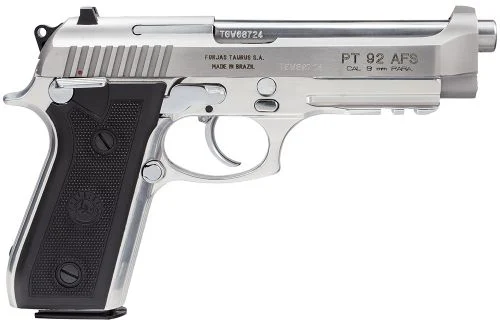
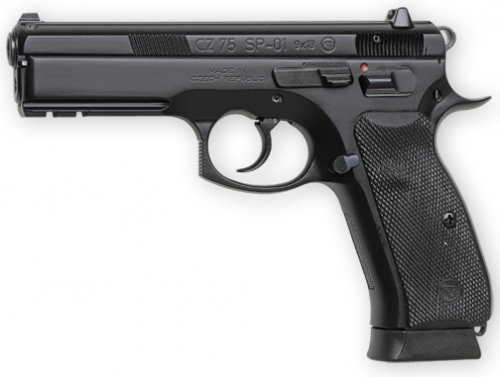
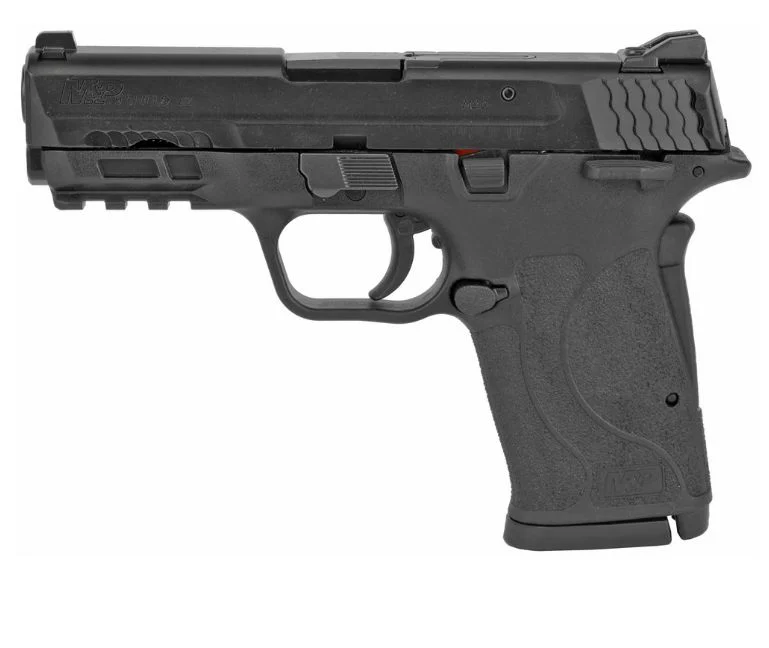
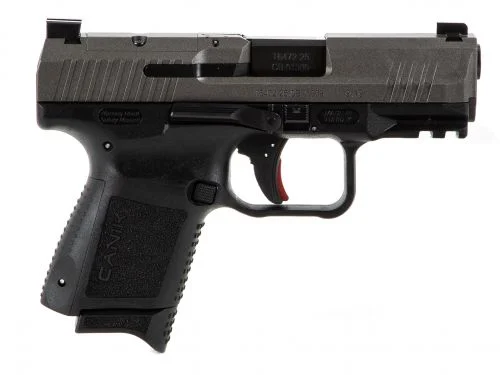
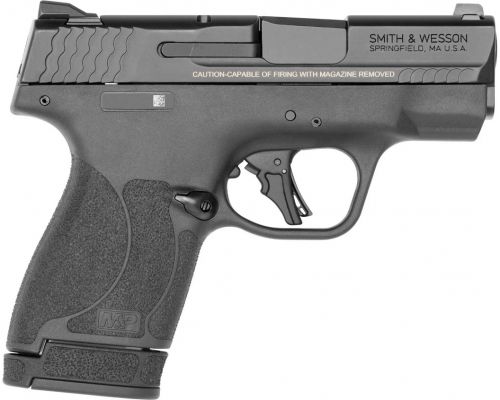
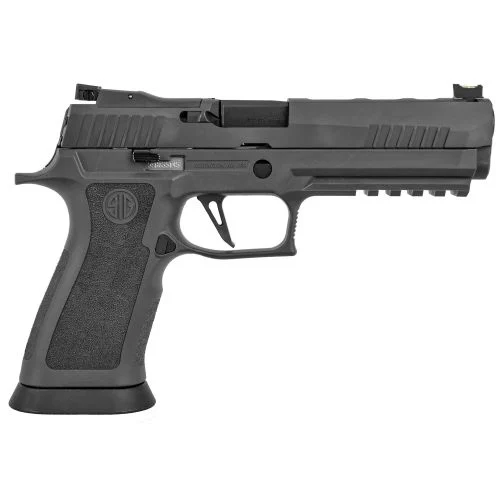
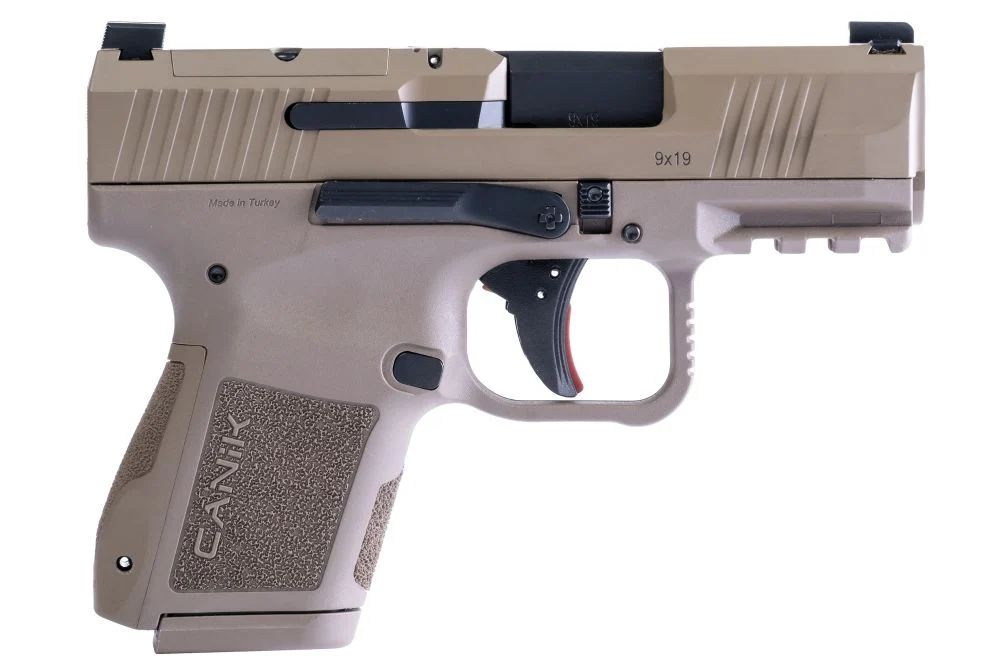
Most households choose between three tools. A pump or semi-automatic shotgun is simple, familiar to anyone who hunts birds, and very effective at room distances; see our shotgun buying guide. A handgun is compact, easy to store in a quick-access safe and can be carried outside the home where the law allows. A light rifle or pistol-caliber carbine is easy to shoot accurately and pairs well with a mounted light. Our first rifle guide covers the rifle side.
Whatever you pick, choose something you will practice with. A firearm you have fired a few hundred times is worth more than a better one you have fired once. Plan for a weapon light, because you must identify a target before you fire, and think about hearing protection and where the walls in your home lead.
Storage is part of defense
A defensive firearm needs to be fast for you and impossible for children, visitors and burglars. Some states impose criminal penalties when a child gets access to a negligently stored gun. Federal law requires dealers to offer a secure storage or safety device with every handgun they sell. Our safe gun storage guide compares quick-access safes, lock boxes, full-size safes and cable locks, and explains how to set up a layered plan.
Training and legal preparation
Take a basic handgun or home-defense course, even in a permitless carry state. Many state permit courses double as a solid introduction to local use-of-force law. Practice at a public range: state wildlife agencies in Louisiana, Mississippi, West Virginia, Wisconsin, North Dakota, South Dakota, Maine and Vermont run public ranges, many of them free. Walk through your home at night and plan where each family member goes, where the phone is, and where you would wait for police.
Buying from Rampart Guns
Browse the full catalog of shotguns, rifles, handguns, lights, safes and ammunition, then pick an FFL near you at checkout. Firearms ship to that dealer; ammunition and accessories ship to your door where legal. For state-specific pages, see our gun shop locations. We do not have a storefront or showroom, and every sale goes through the dealer you choose.
This overview was checked against official state sources in September 2026. If you spot a change in your state's law, confirm it with the issuing agency before you buy, carry or travel.
General information, not legal advice. Current as of September 2026. Laws change; check the official source before you act.